
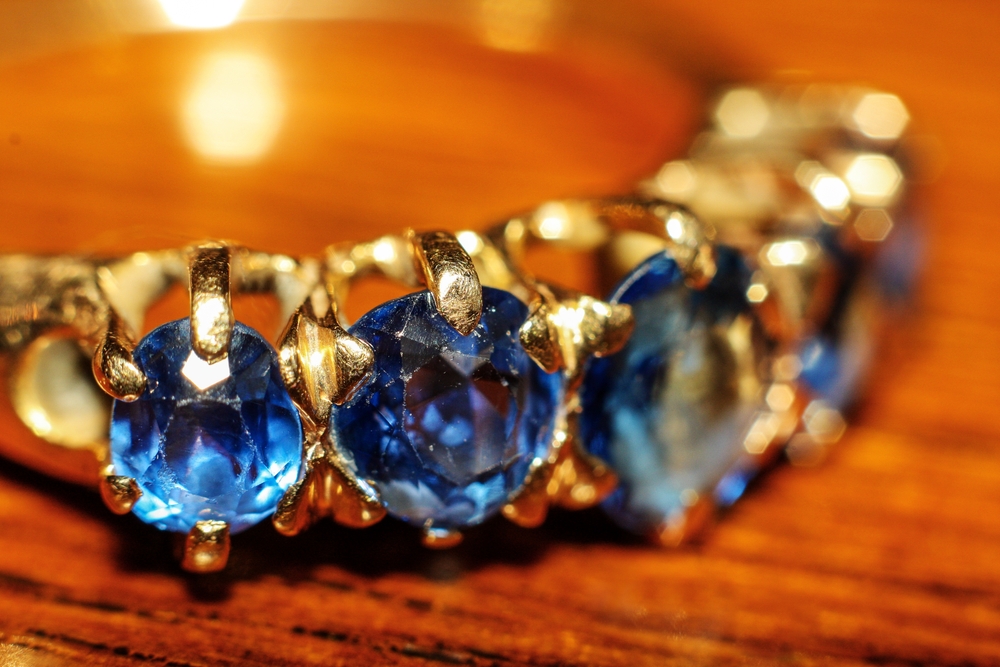
Restyling Heirloom Jewelry: How to Turn Vintage Family Stones into Modern Custom Rings
A diamond cut in 1915 and a diamond cut last year are two different objects, even at identical carat weights, and that difference drives almost every decision in a restyling project. Most people who inherit heirloom jewelry arrive with a ring that no longer suits daily wear, a brooch nobody will ever pin on, or a small envelope of loose stones pulled from a mounting decades ago. The work of turning those stones into a wearable modern ring starts long before anyone sketches a design.
Start With an Honest Inspection of the Stone
Before any quote or drawing, the stone comes out from under the old prongs and goes under 10x magnification and a microscope. Decades of wear leave marks that a mounting hides completely, and those marks change what is possible.
- Girdle chips and nicks: extremely common on antique stones, since older cuts often have thin or knife-edge girdles that bruise against door frames and countertops
- Abraded facet junctions: softened edges that dull the return of light and sometimes justify a light repolish costing roughly 5 to 10 percent of the stone’s value
- Reaching fractures: feathers that break the surface and can open further under setting pressure
- Weight and measurement: old stones were cut to save weight, so a stone that looks like a full carat may weigh 0.85 carats and spread like a 1.10
That inspection also answers whether the stone should be sent out for a grading report. A laboratory report from GIA is worth the three- to five-week wait on anything above roughly one carat, because insurance values and family conversations both go easier with documentation.
Old Cuts Behave Differently Than Modern Brilliants
Old mine and old European cuts were shaped by hand and eye under candlelight and early electric bulbs, with small tables near 53 percent, tall crowns, and a visible open culet at the bottom. They flash in broad, lazy patterns rather than the tight scintillation of a modern round brilliant with a 54 to 57 percent table.
That matters for design, because a modern six-prong basket built for precise symmetry rarely fits an antique stone whose outline wanders by half a millimeter. Seats have to be cut individually, prong placement follows the stone instead of the catalog, and the head is often fabricated rather than pulled from stock. For those exploring engagement rings near Boston, readers choosing between an antique stone and something newer may also want to compare the optics of a period cut against today’s lab-grown diamonds before committing.
Which Gems Travel Well and Which Ones Fight Back
Diamond at 10 on the Mohs scale, sapphire and ruby at 9, and spinel at 8 handle unmounting, cleaning, and resetting with very little drama. Several other family favorites do not.
- Emerald: hardness 7.5 to 8, yet riddled with included fissures and almost always oil-treated, so heat from a torch near the setting can leave visible white seams
- Opal: 5.5 to 6.5 and water-bearing, prone to crazing with temperature swings, better suited to bezels and pendants than tension-style rings
- Pearl: 2.5 to 4.5, damaged by ultrasonic cleaning and by the pickle solutions used in bench work
- Topaz and tanzanite: hard enough on paper but cleavage-prone, requiring careful seat cutting and low setting pressure
For heat-sensitive material, a laser welder lets the bench join metal within a millimeter of the stone without raising the gem’s temperature, which is the single biggest reason emerald and opal resets are safer now than they were twenty years ago.
What Happens to the Original Setting
Three options exist for the old mounting, and families often split the difference. Some keep the empty setting intact in its box, because the worn shank is the part that actually carries the fingerprints of the person who wore it. Others want the metal refined and credited toward a new project, such as transforming family gems into a custom three-stone engagement ring in Boston.
Scrap gold from a vintage ring typically returns 85 to 95 percent of its melt value after refining, so a heavy 18K mounting can offset several hundred dollars of a new build. Casting a new ring directly from old gold is a different matter and generally a poor idea, since old metal carries solder from past repairs, depleted grain refiners, and accumulated oxides that show up later as porosity and cracked shanks.
Designing Around a Stone Instead of Ordering a Setting
A restyle runs in reverse of a normal purchase. The stone’s exact measurements, depth, culet size, and outline drive the CAD model, and the silhouette follows from there. Common directions for inherited center stones include:
- Low-profile bezel or half bezel for people in healthcare, trades, or hands-on work, which also protects a fragile antique girdle
- East-west or compass settings that make a small old stone read as deliberately modern
- Three stone layouts pairing a grandmother’s center diamond with two smaller family stones or new side stones
- Hidden detail such as a bezel-set birthstone under the gallery, engraved initials inside the shank, or a date in the bearing
Most restyle clients approve a rendering before any metal is poured, and the same design process behind a custom engagement ring applies to an heirloom build. Browsing finished ring styles early in the conversation usually shortens the design phase by a week or more.
Splitting One Heirloom Among Several People
A single estate piece frequently has to serve three siblings, and stone count makes that practical. A mid-century cocktail ring holding one center diamond and fourteen small accents can become a ring for one person, a pair of diamond earrings for another, and a pendant for a third, all from the same parcel.
Men’s pieces work the same way. Two or three salvaged accent stones flush set into a modern men’s wedding band use material that would otherwise sit in a drawer, and flush setting keeps small stones below the wear surface where they survive manual work.
Timelines and Cost Ranges
Plan on four to eight weeks from first consultation to finished ring, longer if a grading report or a hunt for matching side stones enters the picture. The schedule generally breaks into one week for evaluation and design, one week for CAD revisions and approval, two to three weeks for casting and setting, and several days for final polish and quality control.
Pricing depends mostly on metal weight and setting complexity. A straightforward solitaire remount in 14K runs roughly $900 to $2,500, a custom halo or three-stone build with accent diamonds typically lands between $2,500 and $6,000, and platinum adds 25 to 40 percent over gold because of material cost and the extra bench time platinum demands. Repolishing or recutting a damaged antique stone adds $150 to $600 in most cases.
Whatever the final design, update the insurance schedule afterward. The FTC jewelry guides govern how metals and gemstone treatments must be described, and a current appraisal that reflects the new mounting keeps a claim from being settled against a fifty-year-old valuation.
Frequently Asked Questions
Can a 100-Year-Old Diamond Be Safely Reset?
In the large majority of cases, yes, provided the stone is examined under magnification first for girdle chips and surface-reaching fractures. Diamond’s hardness protects it during unmounting, and the real risk sits in pre-existing damage that setting pressure could extend, which inspection identifies before any work begins.
How Much Does It Cost to Reset an Heirloom Stone?
Most heirloom resets fall between $900 and $6,000, with simple solitaire mountings at the low end and multi-stone custom designs in platinum at the top. Refining the original gold often returns a few hundred dollars toward that total.
Will Restyling Destroy the Sentimental Value?
Not if the original piece is documented and preserved, which takes about an hour of planning. Photograph the ring from several angles before disassembly, keep the empty mounting if anyone in the family objects to melting it, and consider carrying over one detail such as the engraving style or a section of the old shank.
What Should I Bring to a Restyling Consultation?
Bring the piece or loose stones, any existing appraisals or lab reports, and two or three images of designs you like. Knowing the wearer’s ring size and daily activity level, such as nursing shifts or carpentry, narrows the setting options quickly.
Can Mismatched Family Stones Be Used in One Ring?
Yes, and clustered or three-stone layouts are built specifically for stones that differ in color, cut, and size. A skilled bench can balance a warmer old European cut against cooler modern melee by adjusting metal color and prong placement rather than forcing a match.
Schedule a Restyling Consultation
Have inherited stones evaluated, receive honest pricing on options, and design a custom new piece in-house so the ring worn every day is built around the stone that was passed down. Contact our team to schedule a consultation and bring the box, the envelope, or whatever the stones came home in.
